The Top 10 Micro, Small, and Medium Enterprises Trends for 2026
Elevate Your Entrepreneurial Journey ICSB Leadership By Dr. Ayman El Tarabishy President & CEO of the International Council for Small Business.
By Dr. Ayman El Tarabishy
President & CEO of the International Council for Small Business.
As the world enters 2026, MSMEs stand at the center of a profound economic and social transformation. The past few years have reshaped how we work, trade, innovate, and connect, and MSMEs, with their agility and human-centered mindset, are once again redefining the future. From the rise of solo entrepreneurs to the emergence of micro-multinationals, from the resurgence of human touch to the evolution of humanized AI, small businesses are rewriting the rules of entrepreneurship.
The following ICSB Top Ten Trends for MSMEs in 2026 highlight the forces shaping this new landscape. These trends capture the creativity, resilience, and global ambition of MSMEs, while also acknowledging the persistent challenges, bureaucratic friction, fragmented trade, and systemic inequities that entrepreneurs must navigate. Together, they paint a picture of a world where innovation is local and global, digital and human, ambitious and deeply personal. Above all, they affirm that MSMEs remain the heartbeat of inclusive and sustainable economic growth in an unpredictable era.
10
In 2026, a decisive shift emerges as more individuals build high-impact, one-person enterprises. Enabled by digital tools, direct-to-consumer channels, and niche community markets, solo entrepreneurs are redefining what MSMEs can be. These ventures are lean, creative, purpose-driven, and deeply personal, reflecting the identity and craft of their founders. As traditional employment structures continue to fragment, the solo entrepreneur becomes a symbol of independence, flexibility, and authentic value creation.
09
The advancement of women entrepreneurs remains central in 2026, fueled by expanded digital financing models, inclusive platform access, and cross-border networks of support. While systemic barriers persist, new tech-enabled pathways are opening opportunities for scaling women-led businesses. Global womenpreneur communities, virtual and physical, provide mentorship, capital, and visibility. Their rise remains gradual but undeniable, contributing resilience and diversity to economies worldwide.
08
. In 2026, MSMEs have become the primary engines of local job creation and economic continuity, especially in communities facing volatility and disruption. Globally, MSMEs account for over 70% of employment, and their employee retention rates consistently outperform large corporations because they offer stability, proximity, and stronger workplace loyalty. As economic and climate uncertainties intensify, local entrepreneurship emerges as the backbone of neighborhood resilience—sustaining livelihoods, circulating wealth locally, and preserving community identity. Their role extends far beyond commerce: MSMEs are the infrastructure that keeps societies functioning and futures viable.
07
As automation accelerates and digital saturation deepens, customers are seeking something algorithms can’t deliver: warmth, presence, and genuine human connection. In 2026, the human touch becomes a strategic differentiator, turning authenticity into a competitive edge. MSMEs shine because they offer what automated systems cannot, personalized service, craftsmanship, and relationships grounded in empathy and nuance. This marks a global rediscovery of humanity in commerce, where authenticity increasingly outranks efficiency.
06
Despite years of digitization efforts, bureaucratic complexity remains one of the most significant barriers to MSME growth. Many digital systems replicate old inefficiencies with new interfaces, creating environments that are more confusing, not more supportive. In 2026, MSMEs continue calling for regulatory simplification, streamlined licensing, and entrepreneur-centered public systems. Reducing administrative friction remains a global priority if small businesses are to thrive.
05
With new digital efficiencies reducing operational burdens, MSMEs in 2026 redirect energy toward creativity, design, and experimentation. This shift fuels a global surge in grassroots innovation, from new consumer products to alternative business models and hyper-niche markets. Creativity becomes the ultimate differentiator, and MSMEs emerge as leaders in cultural and commercial innovation. In this environment, small truly becomes powerful.
04
Thanks to universal digital tools, global platforms, and culturally diverse customer bases, small firms increasingly operate as “micro-multinationals.” These companies sell internationally from day one, leveraging cross-border e-commerce, remote talent, multilingual AI tools, and globally distributed networks. In 2026, global is no longer a long-term goal; it is the default strategy, opening unprecedented opportunities for growth and inclusion.
03
As growth plateaus in traditional channels, large corporations are rediscovering the power of MSMEs as revenue accelerators. In 2026, integrating MSMEs into corporate sales ecosystems becomes a strategic advantage. Enabled by AI and automation, MSMEs operate with speed, precision, and local intelligence, acting like pistons within a larger engine. Individually agile, collectively powerful, they expand market reach, deepen customer access, and drive scalable growth that centralized models alone can no longer achieve.
02
AI continues to reshape the world in 2026, yet the true revolution is not found in machines that replace people but in intelligence that elevates them. A new reality has emerged. The most successful MSMEs are those that use AI as a creative and strategic companion, a force that sharpens judgment, expands imagination, strengthens customer connections, and frees entrepreneurs from the burden of manual complexity. This is Humanized AI, a form of intelligence that listens, learns, adapts, and ultimately reflects the values, ethics, and aspirations of the people who use it.
ICSB recognizes this as the number one trend for 2026 because AI is now the single most powerful equalizer for small businesses everywhere. When entrepreneurs harness AI to extend their capabilities rather than surrender them, they unlock a level of innovation and global competitiveness once reserved for the most prominent institutions. Humanized AI does not replace the entrepreneurial spirit. It magnifies it, ensuring that the future of business remains driven by creativity, empathy, and the unmistakable power of human agency.
01
The next generation of MSMEs is AI-native, network-driven, and built for speed. They operate locally but think globally. They move faster than policy, adapt quicker than institutions, and outlearn competitors in real time.
They are not obsessed with scale. They are obsessed with relevance.
They measure success in revenue and impact.
They build profit and presence.
They grow without disappearing from their communities.
They are humble but powerful.
These MSMEs don’t wait for permission. They plug into platforms, form alliances, and activate networks. AI is their co-pilot. Automation is their leverage. Community is their anchor.
They are here to make money.
They are here to make a difference.
They are here to stay.
This is not the future of entrepreneurship.
This is the new Generation of MSMEs now.
Be part of the largest and oldest network of small businesses and entrepreneurs in the world.

Elevate Your Entrepreneurial Journey ICSB Leadership By Dr. Ayman El Tarabishy President & CEO of the International Council for Small Business.

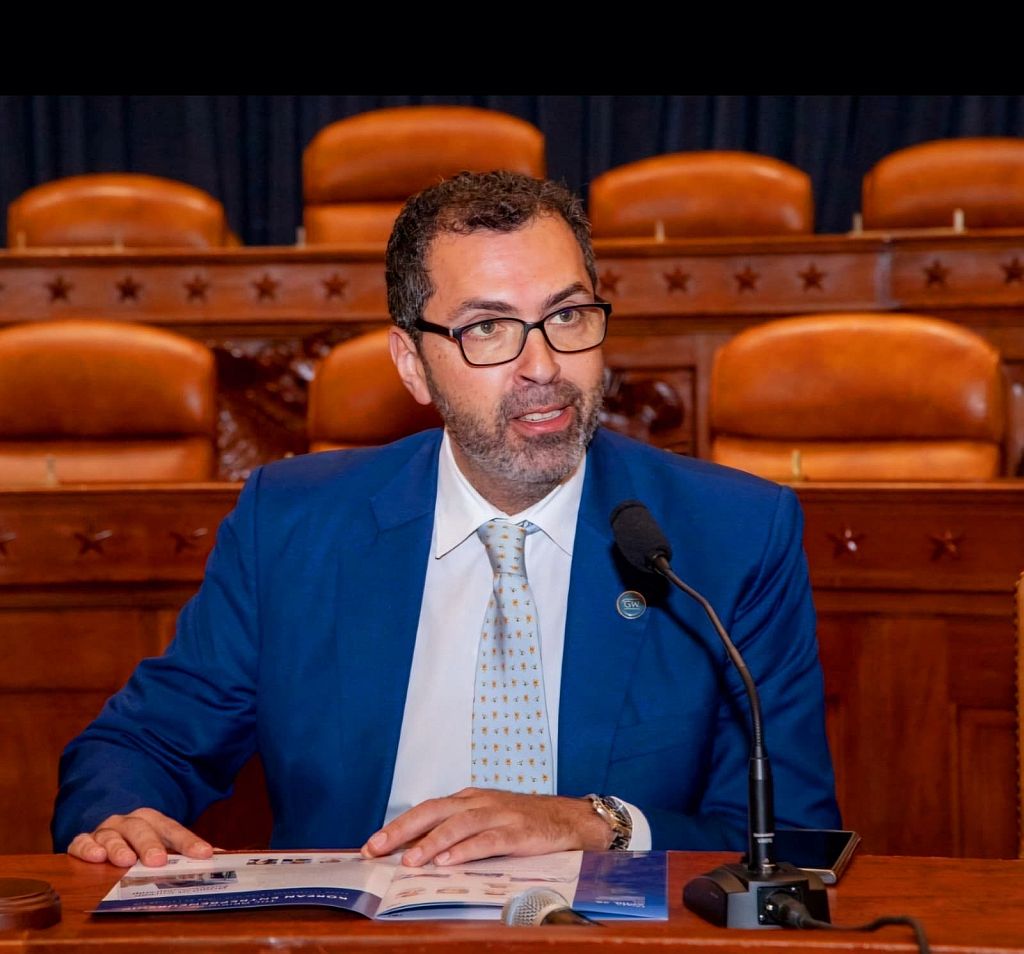
Discover the dynamic shifts shaping MSMEs in the Middle East! From the rise of sustainability and ethical practices to the power
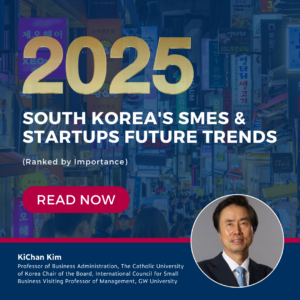
South Korea’s SMEs and startups are at a critical juncture in 2025, facing challenges from bureaucracy and market stagnation while embracing
The Top 10 Micro, Small, and Medium Enterprises Trends for 2025. The future of MSMEs is an ever-evolving tapestry of innovation,